First, why you sleep like a hibernating bear
When your alarm goes off during deep slow-wave sleep, your brain is running on minimum power. Waking from that state triggers sleep inertia — that heavy, groggy, "who am I and what year is it" feeling. In that state, silencing an alarm is a reflex, not a decision. You didn't choose violence against your alarm clock. Your half-asleep brain did.
The fix isn't more willpower. It's making it easier for your body to be awake at the right time — and harder for your sleepy autopilot to sabotage you.
1. Wake up at the same time. Yes, weekends too
This is the least fun tip and the most powerful one. Your body clock (your circadian rhythm) doesn't know it's Saturday. Sleeping in until noon on weekends is basically giving yourself jet lag every Monday — researchers literally call it "social jet lag."
Keep your wake time within about an hour every day, and your body starts anticipating the alarm. After a couple of weeks, many people start waking up minutes before it rings. It feels like a superpower. It's just biology on a schedule.
2. Get light in your eyes, fast

Morning light is the strongest signal your body clock has. Bright light shortly after waking tells your brain "the day has started," which helps shut down melatonin and sets you up to feel sleepy at the right time tonight.
Open the curtains the second you're up — or sleep with them cracked open so the sunrise does the work. If you wake before the sun (or live somewhere the sun is more of a rumor), a sunrise alarm clock that gradually brightens the room does a surprisingly convincing impression.
3. Evict the alarm from your nightstand
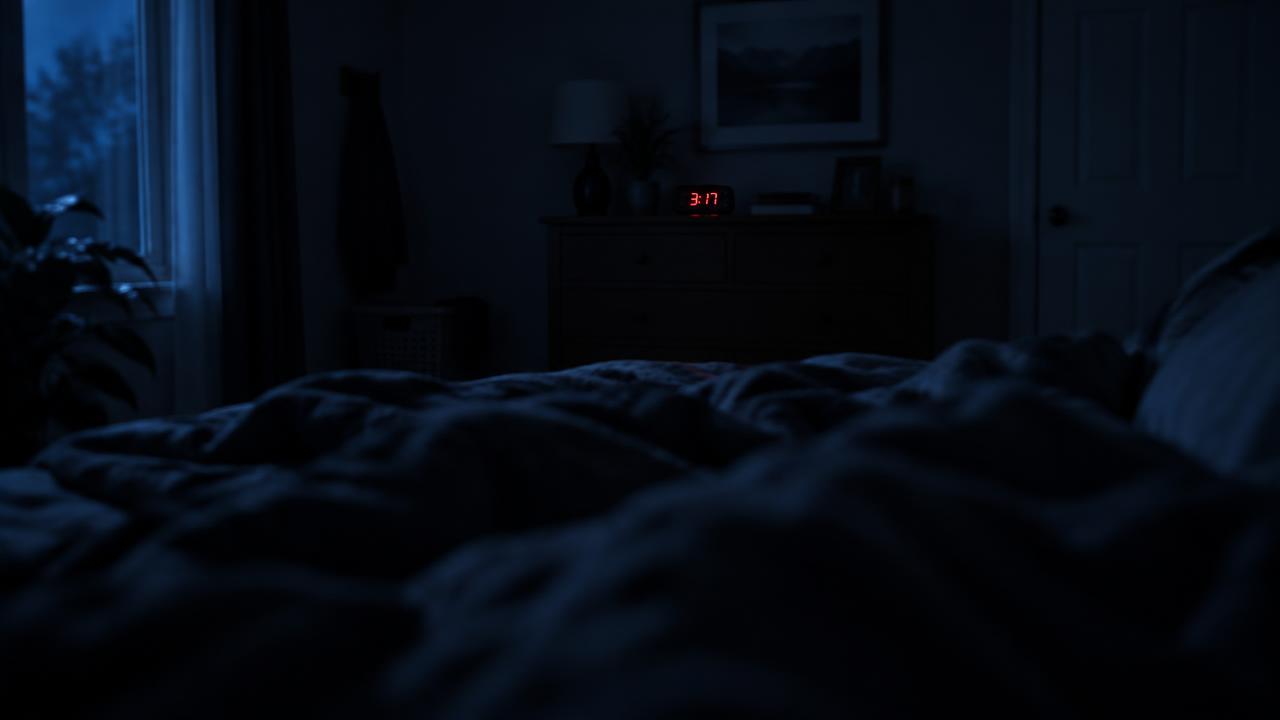
If your alarm is within arm's reach, your sleeping self will negotiate with it. Your sleeping self is a terrible negotiator and always settles for "five more minutes."
Put the alarm across the room. Now the deal is simple: the noise stops when your feet hit the floor. And here's the secret — once you're standing up, the hardest part of waking up is already done. Don't go back to bed. That's the whole trick. (Fine, one more rule: the alarm goes somewhere you can't reach from the bed. We've seen things.)
4. Break up with afternoon caffeine and late-night screens
Caffeine has a half-life of roughly 5–6 hours, meaning that 4 PM coffee can still be hanging around at 10 PM, making your sleep lighter and more restless — which makes mornings worse. Keeping caffeine to the morning hours is a boring tip that works embarrassingly well.
Same story with bright screens right before bed: the light tells your brain it's still daytime and can delay the release of melatonin. Dim things down in the last hour before sleep, and your alarm won't feel like a personal attack in the morning.
5. Stack your alarms, don't multiply them
Setting twelve alarms five minutes apart feels safe, but it teaches your brain that alarms are optional background noise. Instead, use two alarms with different jobs: one gentle one to start waking you, and one loud, can't-ignore-it backup across the room 10 minutes later. A vibration alarm under your pillow (a "bed shaker") plus a loud audible alarm is a classic heavy-sleeper combo.
And if you use our free online alarm clock, keep the tab open on a laptop across the room with the volume up. Free is a good price for a backup alarm.
6. Know when to bring in the big guns
Sometimes habit changes need hardware backup. Alarm clocks built for heavy sleepers exist for a reason: 113-decibel sirens (louder than a motorcycle), bed shakers that rattle you awake, and sunrise lamps that wake you gently before the sound even starts.
We've rounded up the best-rated ones — the stuff thousands of fellow deep sleepers swear by.
Alarm clocks that refuse to be ignored
Loud alarms, bed shakers, and sunrise clocks — curated for people who sleep like they're in a witness protection program.
Quick questions
Why do I sleep through my alarm?+
The most common reason is sleep inertia — the groggy state your brain is in when an alarm yanks you out of deep (slow-wave) sleep. In that state, turning off an alarm is practically a reflex you can do without waking up. Being chronically sleep-deprived makes deep sleep longer and harder to escape, which is why consistent sleep timing matters so much.
Does sleeping through alarms mean something is wrong with me?+
Usually not — most heavy sleepers are simply sleep-deprived, on an inconsistent schedule, or getting woken during deep sleep. But if you regularly sleep through very loud alarms and still feel exhausted during the day even after enough hours in bed, it's worth mentioning to a doctor. This article is practical advice, not medical advice.
How long does it take to fix a heavy-sleeper wake-up problem?+
Your body clock starts adjusting within a few days of a consistent wake time, but give it one to two weeks to really settle. The physical tricks (alarm across the room, morning light) work on day one — the biology takes a little longer to catch up.
What's the best alarm clock for heavy sleepers?+
Look for three things: genuinely loud volume (many top-rated models hit 100+ decibels), a bed shaker that vibrates under your pillow or mattress, and ideally a light-based option that simulates sunrise. We've rounded up the best-rated options on our heavy sleepers shop page.
A friendly note: this article is general sleep-hygiene advice, not medical advice. If you consistently get enough hours of sleep but still can't wake up or feel exhausted all day, it's worth a conversation with a doctor — conditions like sleep apnea are common and treatable.